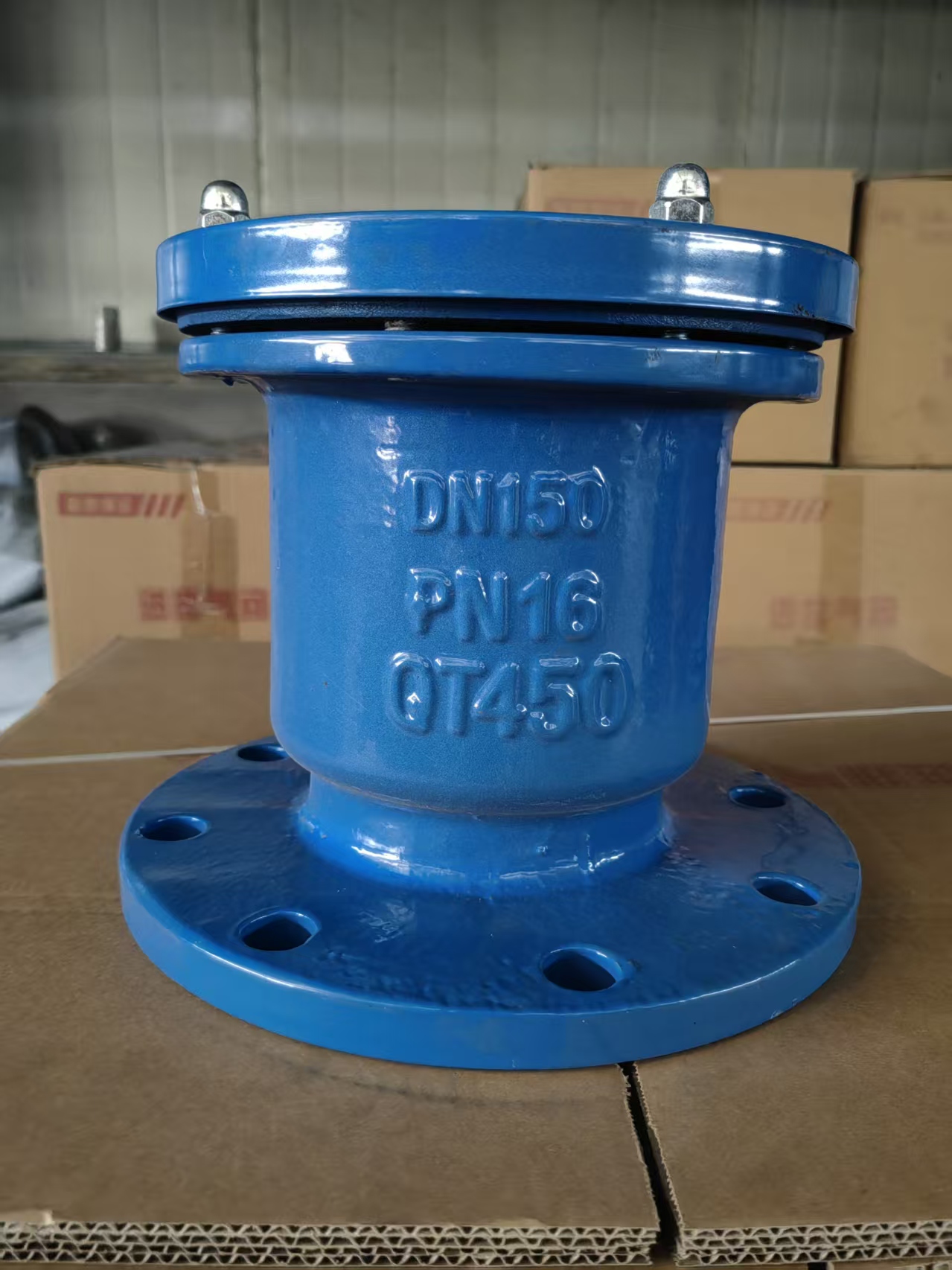
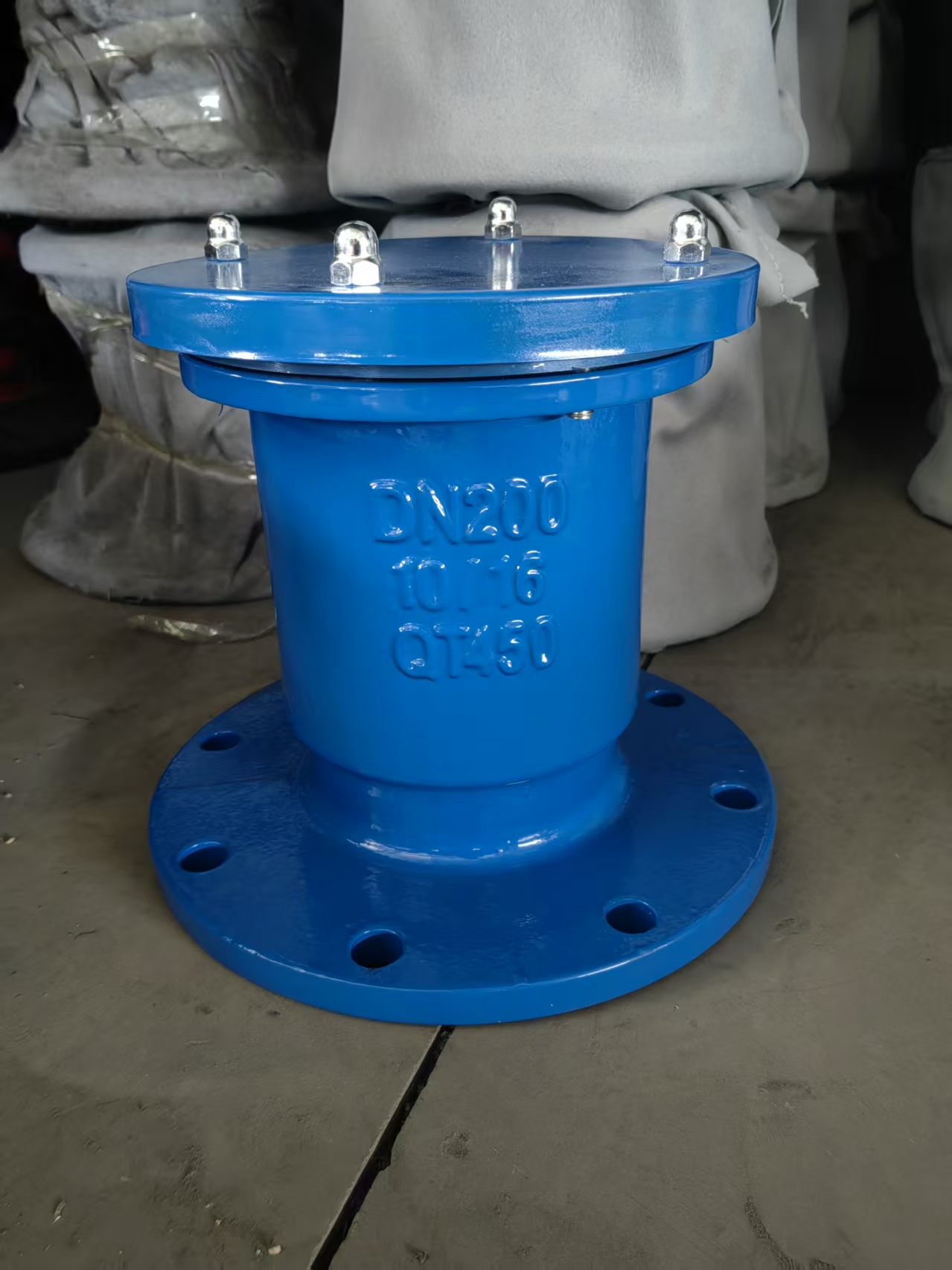
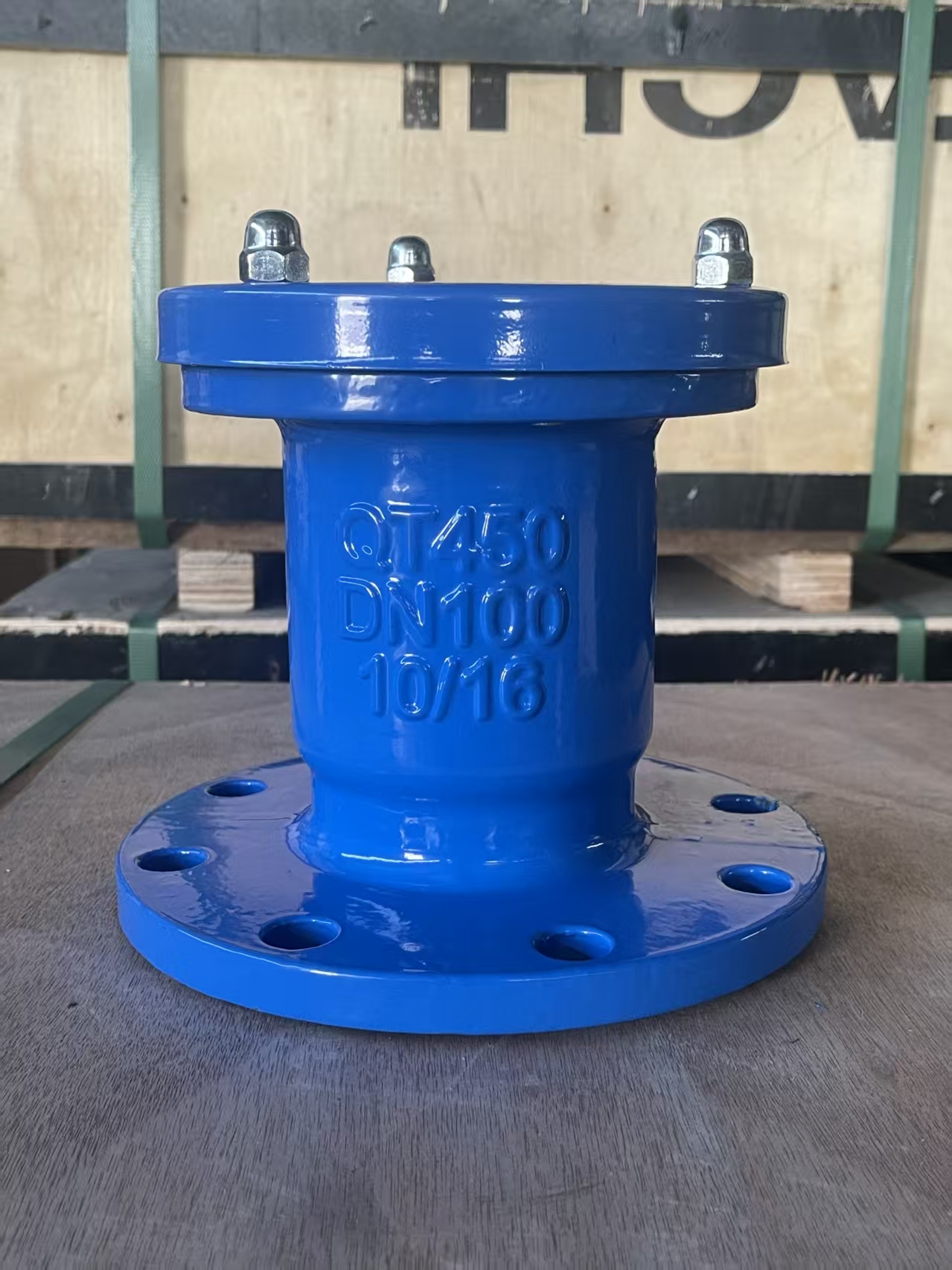
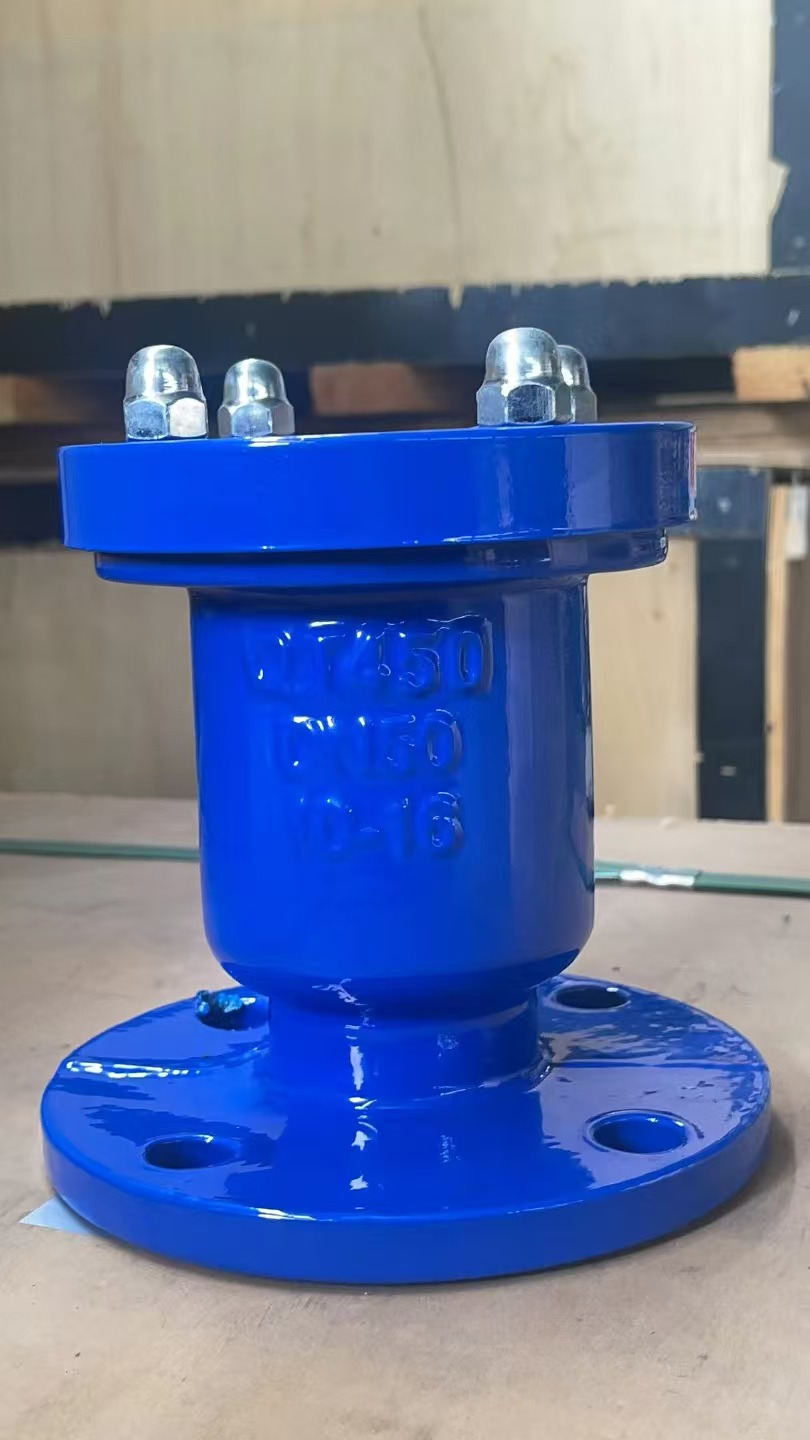
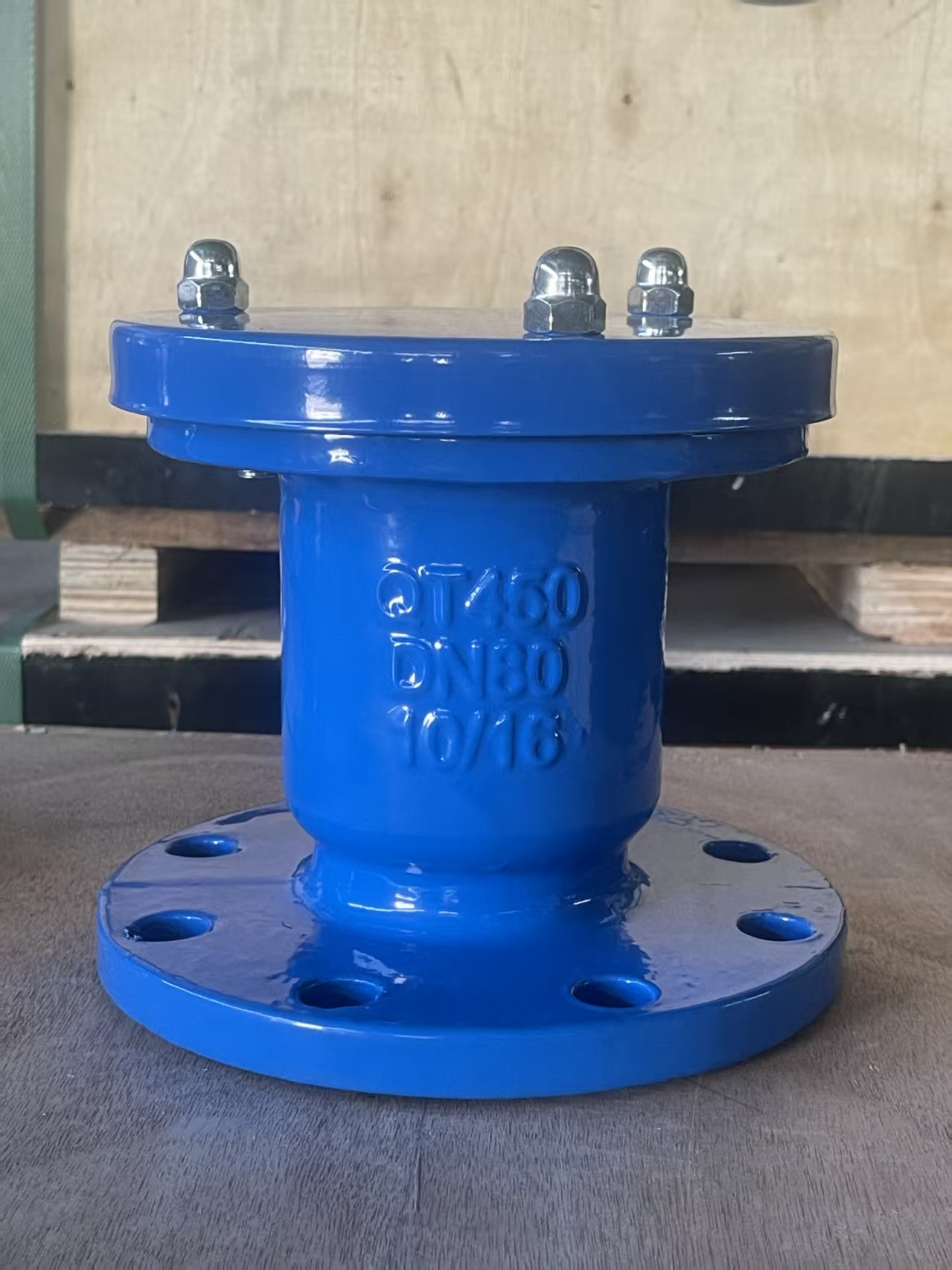
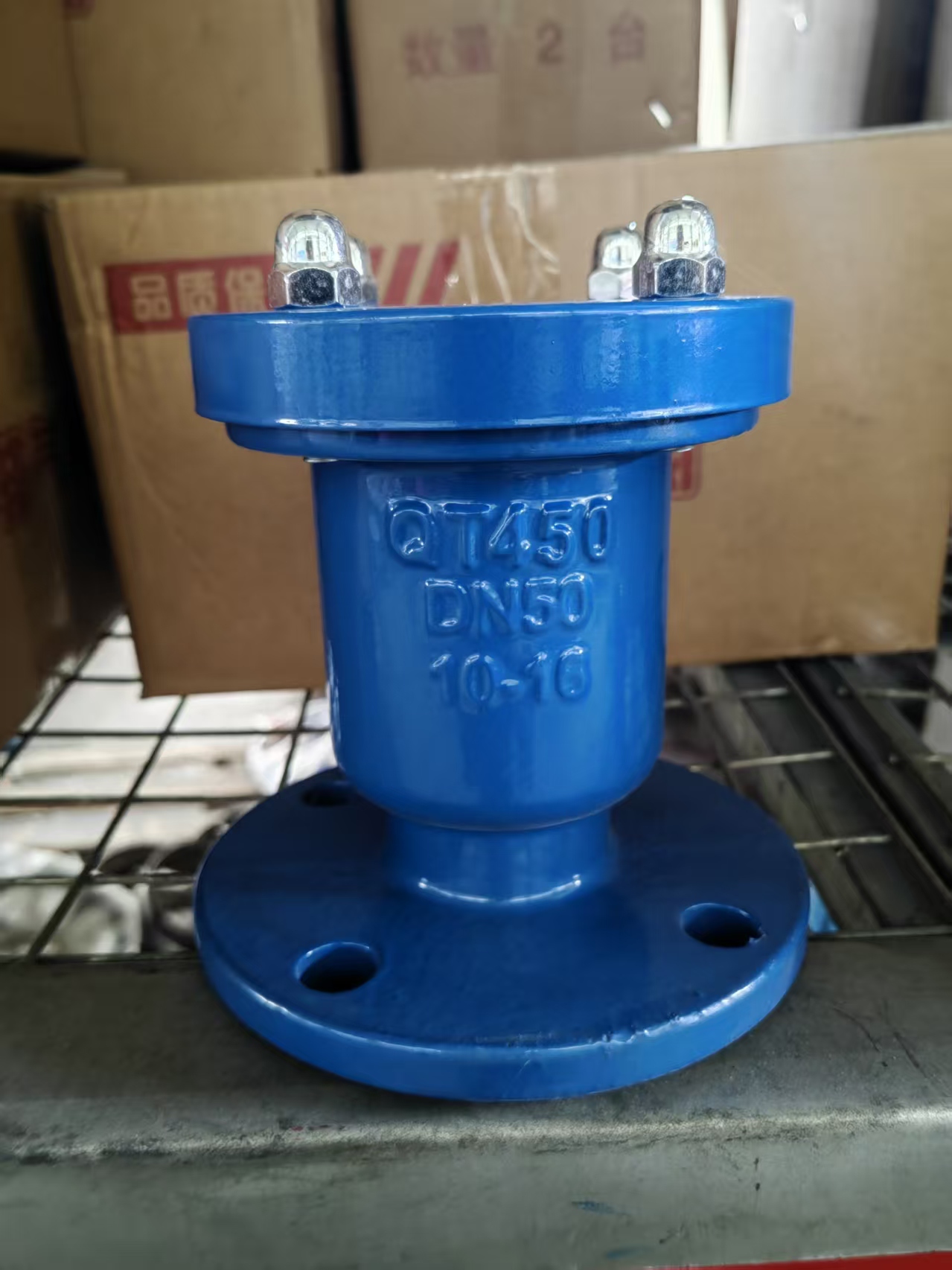
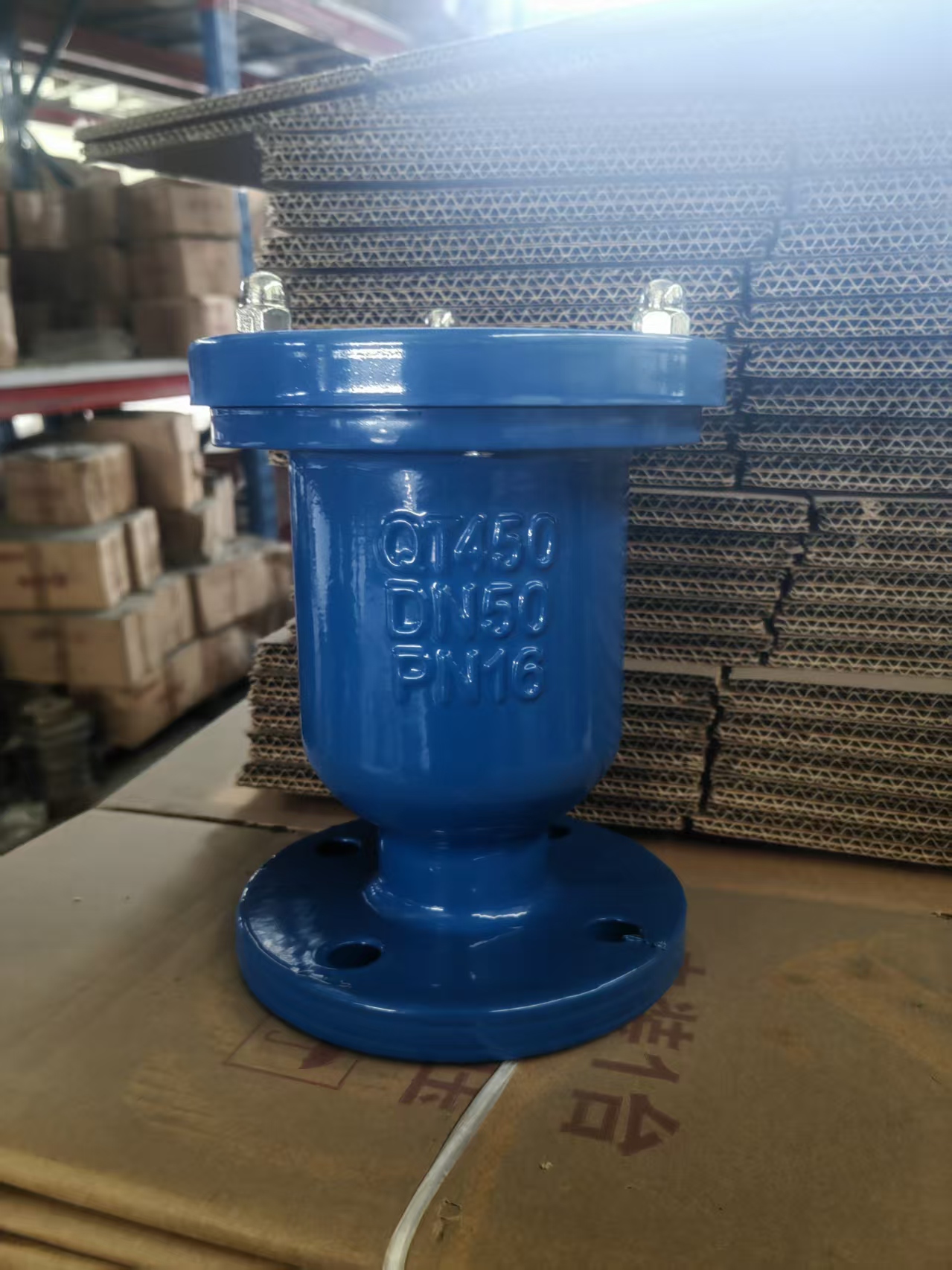
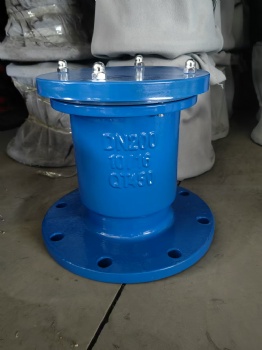
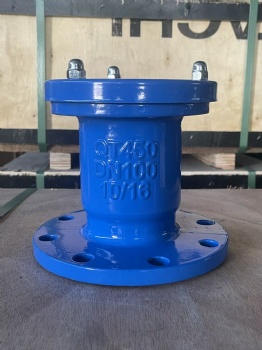
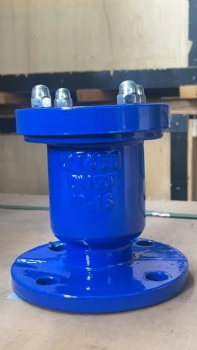
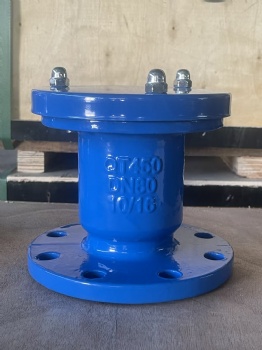
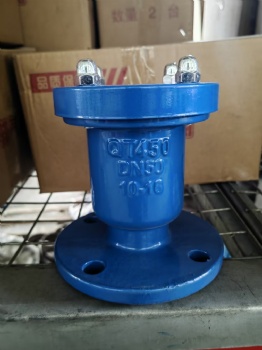
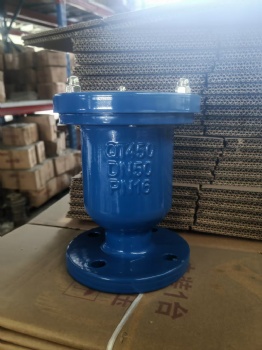
P11X/P41X AIR VALVE
Exhaust valves are applied to pipeline exhaust in independent heating systems, centralized heating systems, heating boilers, central air conditioning, floor heating and solar heating systems, etc. Because water usually contains a certain amount of dissolved air and the solubility of air decreases with the increase of temperature, during the water circulation process, gas gradually separates from the water and gradually gathers together to form large bubbles or even air columns. Due to the replenishment of water, gas is often produced.
Contact Us
- +86-13603333929
- +86-13603333929
- +86-13603333929
- 3024559864@qq.com
The flanged single-port exhaust valve is mainly composed of the valve body, valve, upper cover, valve stem, float ball, exhaust nozzle, etc. When it is necessary to discharge the gas in the pipeline, the air in the pipeline enters the body cavity under the pressure of water and is discharged from the exhaust port. Subsequently, the water in the pipeline fills the body cavity, causing the float ball to move upward under the buoyancy of water and block the exhaust port, achieving self-sealing. During normal operation of the pipeline, the air in the water is continuously discharged into the upper part of the body cavity of the exhaust valve under the pressure. The float ball is forced to descend and leave its original sealed position. At this point, the air is discharged from the exhaust port again. Subsequently, the float ball returns to its original position for self-sealing. Therefore, during normal operation, the exhaust valve remains open. The float ball continuously repeats the above actions, and the air is constantly discharged. When maintenance or cleaning of the body cavity is required, the valve should be closed. Single-port exhaust valve is closed when the valve stem is rotated clockwise.


 Send Email
 售前客服
售前客服